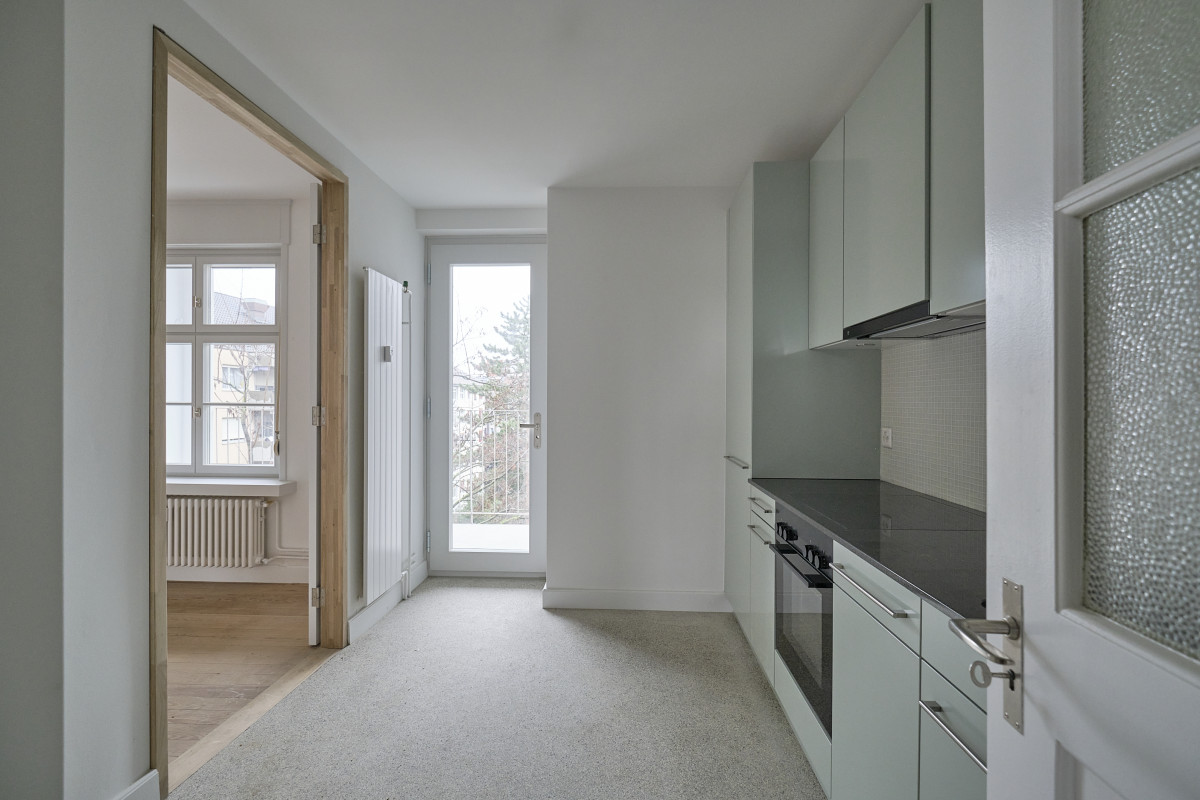
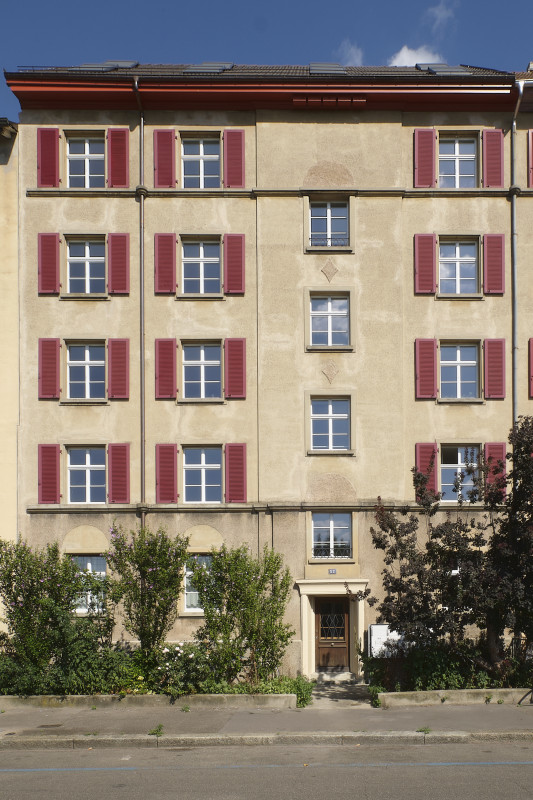
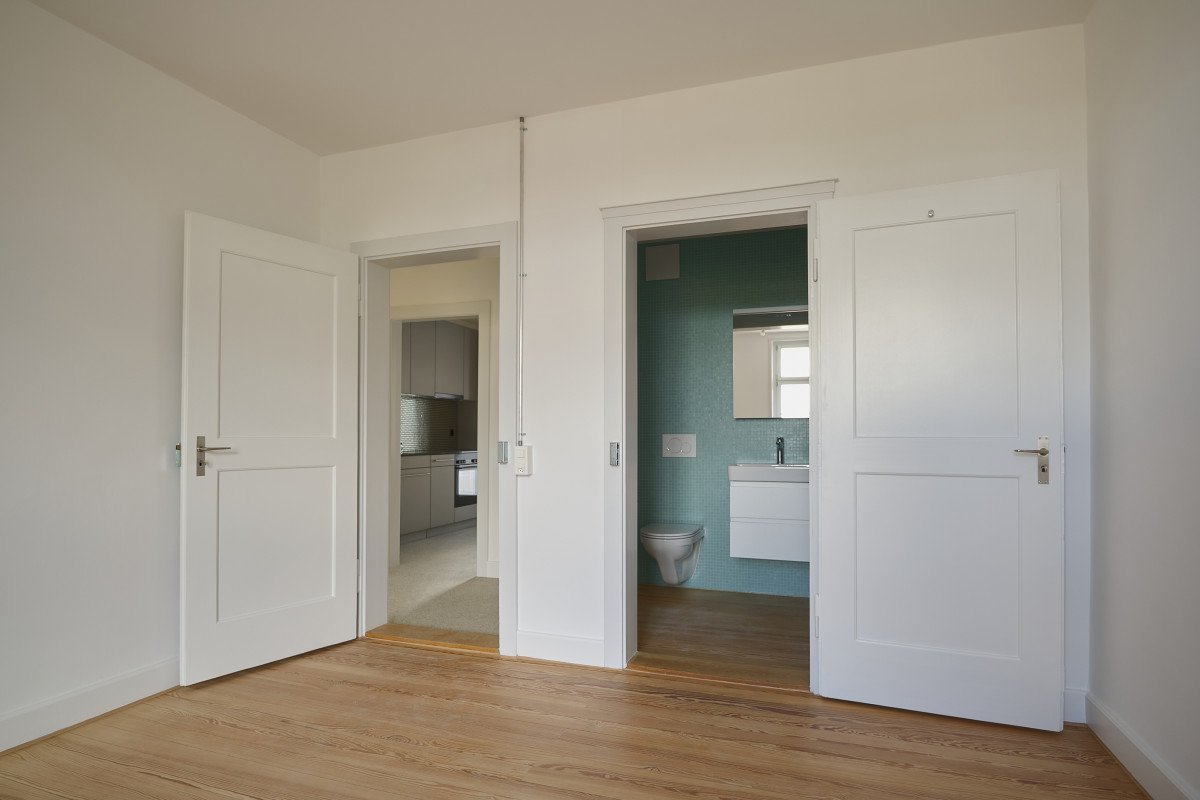
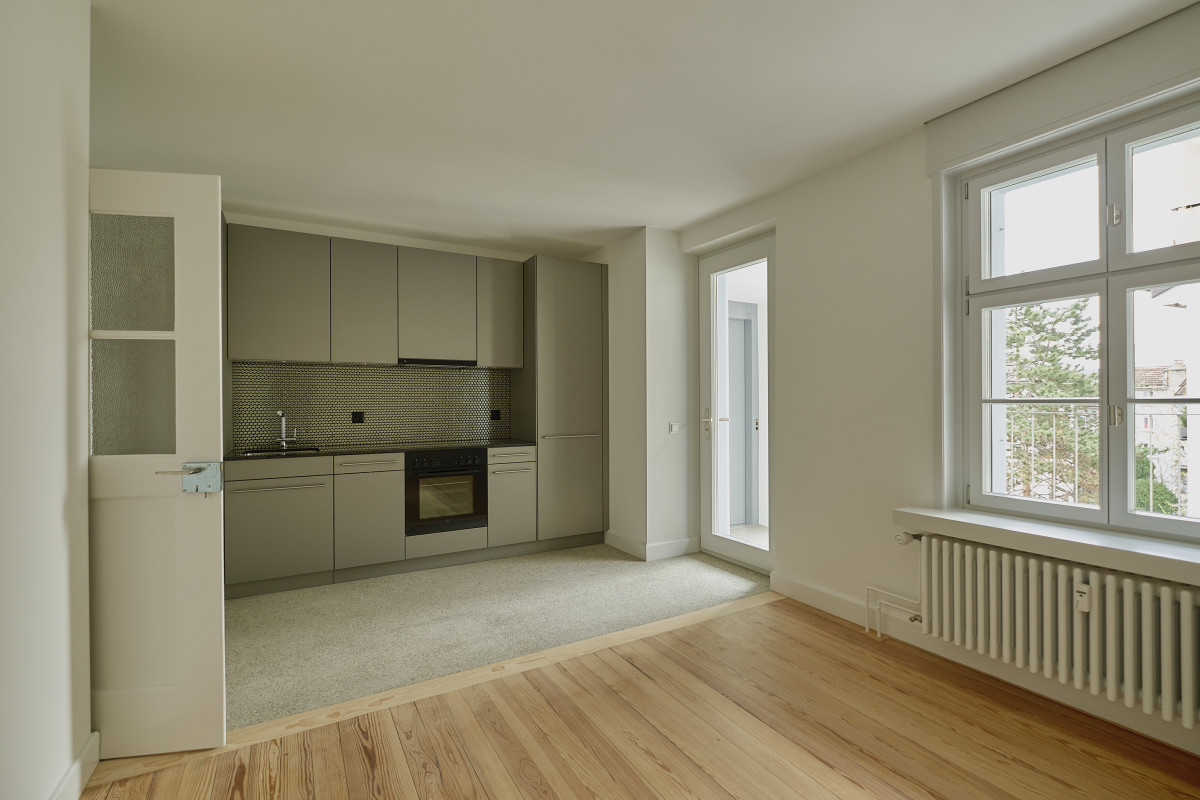
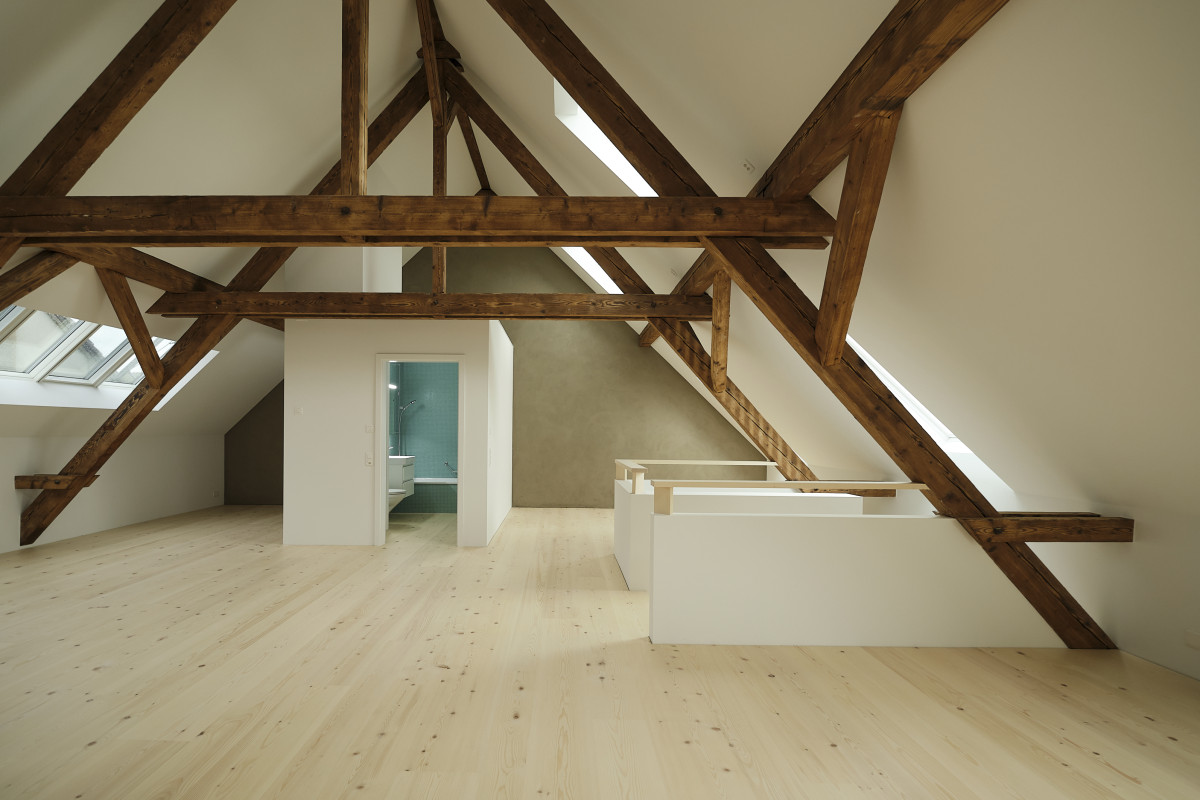
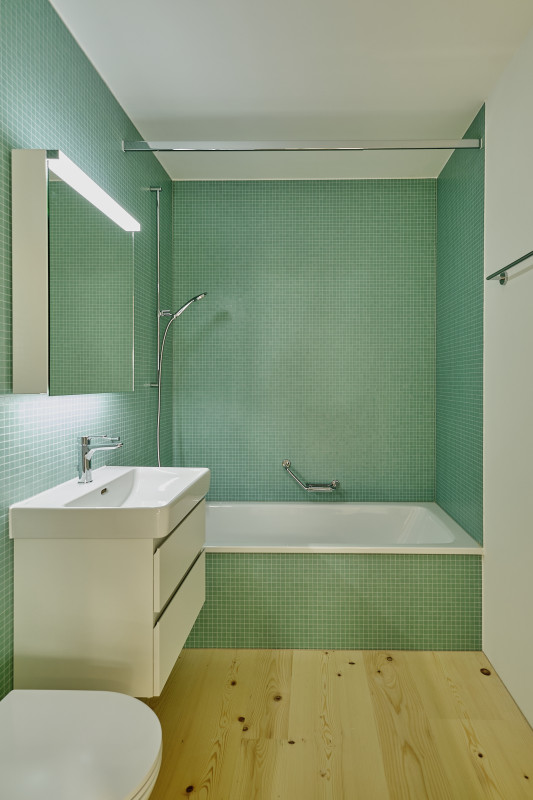
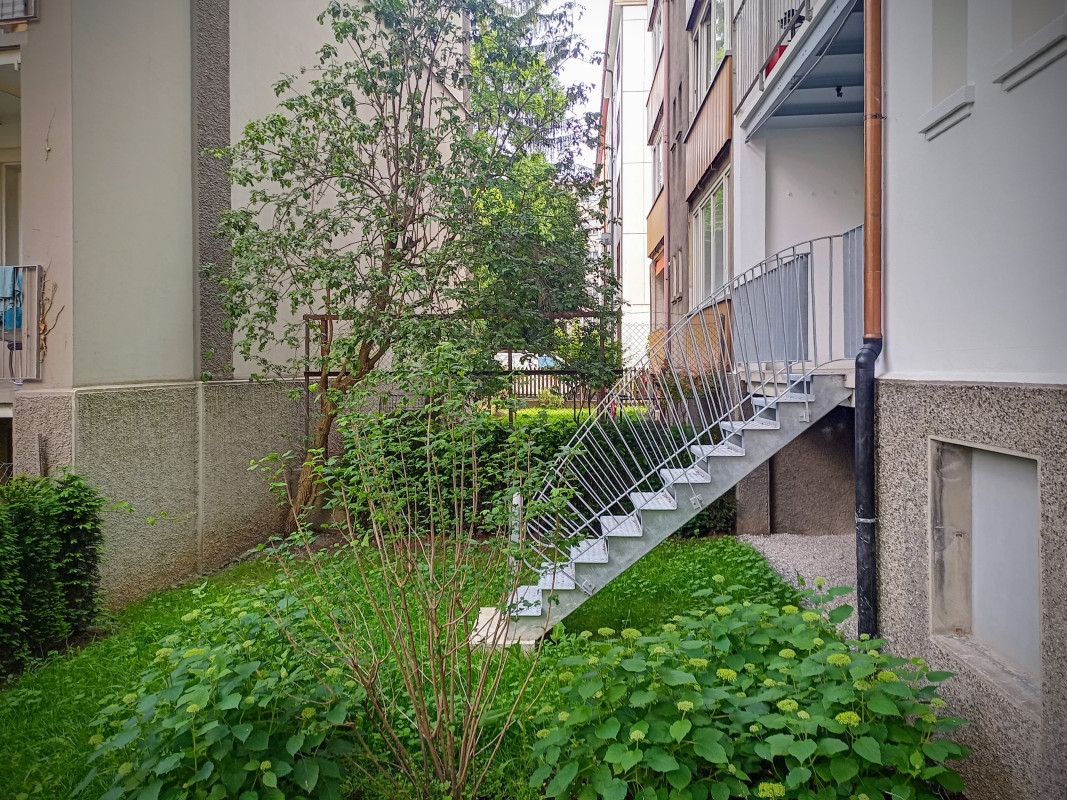
Hünerwadel Partnership is an architecture studio founded in Basel, Switzerland in 2003 by Nicolas Hünerwadel. Since then, the spectrum and variety of projects has grown, ranging from uni-family homes to collective housing complexes, office spaces, infrastructure, industrial buildings and theatre sets. In 2008, the office was founded in Lima, Peru, due to the start of several important projects. Since then the study has honed a multicultural and interdisciplinary work system. In Peru we pay especial attention to the rich historical tradition, emerging lifestyles and artistic pursuits. that give clues to durable solutions with a sense of belonging to the place and the user.
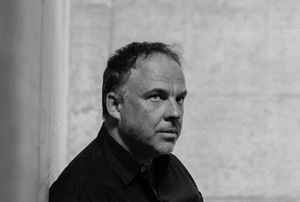
Nicolas Hünerwadel
Nicolas Hünerwadel was born in Basel, Switzerland. He began his studies in the Technical Federal School of Zürich (ETH) and obtained his Diploma of Architecture and urbanism in the Faculty of Architecture at the University of Geneva (EAUG). He worked for 12 years as the principal architect and project developer in the biggest company of planning and construction of Switzerland. In 2003 he opened his own architecture studio. He was the founder and a teacher of the Master program together with the URP and the NTNU on the development and urban projects in Lima, Peru. He is a critical and frequent lecturer of the technical schools of Switzerland and German Universities, as well as in Al-Hekma University in Jeddah. In 2008, Hünerwadel founded Arquitectos in Lima, because of his close relation with Peru for 25 years and the good friendships with personalities from Lima’s culture and economy.
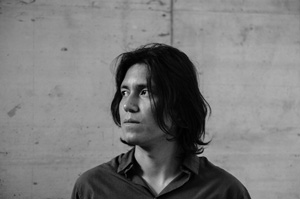
Víctor Pazos Chambilla
Victor Pazos Chambilla was born in Lima, Peru. He coursed the first part of his studies at the Ricardo Palma University (URP). He completed his academic formation in the National Superior School of Architecture Landscape of Bordeaux, France, where he got the Degree in Architecture and the master in urbanism. Later he got his master’s Degree in Architecture and Philosophy at the National Superior School of Architecture of Paris-La Villette, Paris 2010. He works in Hünerwadel Partnership since 2007 and was the project manager architect of the Real 8 Tower during all its phases. He participates also actively in the development of european projects including countries like Switzerland, France and Germany. He is currently enrolled in the Professional Association of Architects in France (l’Ordre des Architectes) and his enrollment in the Collegue of Architects of Peru (CAP) is scheduled for July 2016.
Hünerwadel Partnership is an architecture studio founded in Basel, Switzerland in 2003 by Nicolas Hünerwadel. Since then, the spectrum and variety of projects has grown, ranging from uni-family homes to collective housing complexes, office spaces, infrastructure, industrial buildings and theatre sets. In 2008, the office was founded in Lima, Peru, due to the start of several important projects. Since then the study has honed a multicultural and interdisciplinary work system. In Peru we pay especial attention to the rich historical tradition, emerging lifestyles and artistic pursuits. that give clues to durable solutions with a sense of belonging to the place and the user.
Nicolas Hünerwadel
Nicolas Hünerwadel was born in Basel, Switzerland. He began his studies in the Technical Federal School of Zürich (ETH) and obtained his Diploma of Architecture and urbanism in the Faculty of Architecture at the University of Geneva (EAUG). He worked for 12 years as the principal architect and project developer in the biggest company of planning and construction of Switzerland. In 2003 he opened his own architecture studio. He was the founder and a teacher of the Master program together with the URP and the NTNU on the development and urban projects in Lima, Peru. He is a critical and frequent lecturer of the technical schools of Switzerland and German Universities, as well as in Al-Hekma University in Jeddah. In 2008, Hünerwadel founded Arquitectos in Lima, because of his close relation with Peru for 25 years and the good friendships with personalities from Lima’s culture and economy.
Victor Pazos Chambilla
Víctor Pazos Chambilla
Victor Pazos Chambilla was born in Lima, Peru. He coursed the first part of his studies at the Ricardo Palma University (URP). He completed his academic formation in the National Superior School of Architecture Landscape of Bordeaux, France, where he got the Degree in Architecture and the master in urbanism. Later he got his master’s Degree in Architecture and Philosophy at the National Superior School of Architecture of Paris-La Villette, Paris 2010. He works in Hünerwadel Partnership since 2007 and was the project manager architect of the Real 8 Tower during all its phases. He participates also actively in the development of european projects including countries like Switzerland, France and Germany. He is currently enrolled in the Professional Association of Architects in France (l’Ordre des Architectes) and his enrollment in the Collegue of Architects of Peru (CAP) is scheduled for July 2016.
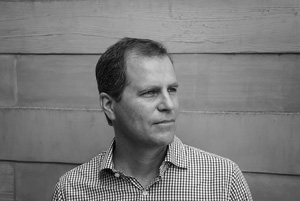
Pier Baracco Lira
Pier Baracco Lira was born in Lima, Peru. He obtained his Bachelor’s Degree in Architecture from the Ricardo Palma University in Lima and has pursued additional education at the Simon Bolivar University in Caracas, Venezuela, at the Southern California Institute of Architecture (Sci-Arc) in Los Angeles, California, USA and at the Polytechnic University of Catalunya in Barcelona, Spain. He has 20 years of professional experience in various countries including Peru, Colombia and the United States, developing a wide variety of buildings. He has taught at Ricardo Palma University and the New School of Architecture and Design in San Diego, California and currently teaches at the Peruvian University of Applied Sciences in Lima, Peru.